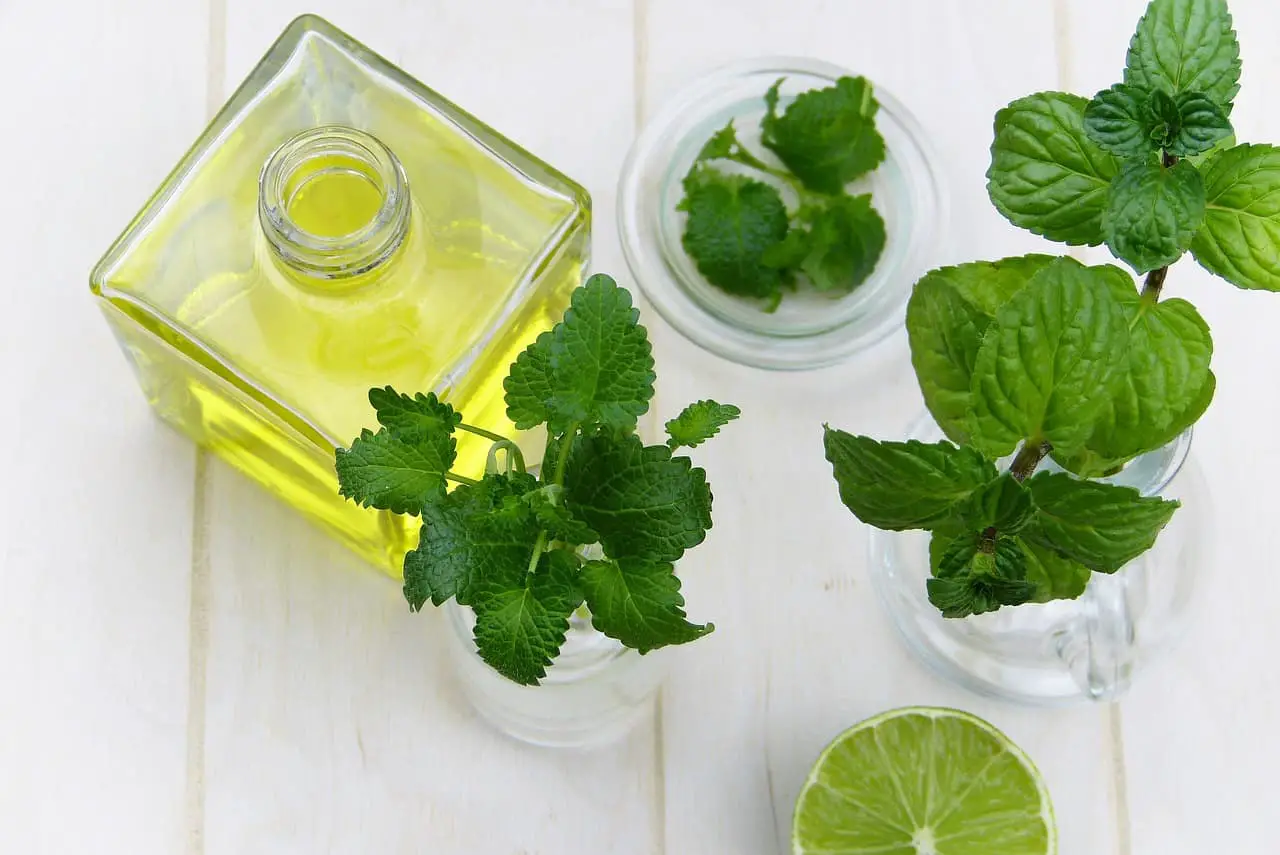
Mint is a popular herb with a refreshing taste and aroma, often enjoyed by both humans and animals.
Perhaps you are a guinea pig owner or looking to get one as a pet, and you wonder if it’s safe for your furry friend to eat mint.
Mint is not only safe but also liked by guinea pigs as it adds a unique flavor to their diet.
Keep on reading to learn more about the benefits of mint for your guinea pig and how to provide it safely.
Can Guinea Pigs Eat Mint?

Yes, mint can be a great addition to your guinea pig’s diet. It offers several health benefits, and most guinea pigs enjoy the taste.
In this section, we will discuss the benefits of mint for guinea pigs, focusing on digestive health, fresh breath, and vitamin and mineral content.
Digestive Health
Mint is known for its soothing effects on the digestive system. Adding some fresh mint leaves to your guinea pig’s diet can help alleviate digestive discomfort and promote healthy digestion.
The natural compounds in mint can also help relax the gastrointestinal muscles, making it easier for your guinea pig to digest their food.
Research has shown that mint can even relax smooth muscle in the guinea pig’s gastrointestinal system.
Fresh Breath
Mint has a refreshing, pleasant aroma that can help freshen your guinea pig’s breath.
It is always nice to have a fresh-smelling pet, and adding a few mint leaves to their diet can help keep their breath clean and fresh.
Vitamin and Mineral Content
Mint is not only a tasty treat for your guinea pig, but it also contains essential vitamins and minerals that contribute to their overall health.
Mint is a source of calcium, which is vital for strong teeth and bones. Additionally, mint contains vitamin A, which is important for maintaining good vision and a healthy immune system.
Potential Risks of Feeding Mint to Guinea Pigs
While mint can be a tasty treat for guinea pigs, there are a few potential risks to consider before offering it to them.
In this section, we will discuss the possible dangers associated with feeding mint to guinea pigs, including allergic reactions, excessive consumption, and pesticide residues.
Allergic Reactions
Just like humans, guinea pigs can also develop allergies to certain foods. Although it’s rare, some guinea pigs may be allergic to mint.
If you notice any unusual symptoms such as wheezing, itching, or swelling after feeding mint to your guinea pig, it’s essential to stop offering it and consult a veterinarian for further guidance.
Excessive Consumption
While small amounts of mint can be beneficial for guinea pigs, excessive consumption may cause digestive issues. Mint contains compounds like pulegone, which, in high amounts, can be toxic to guinea pigs.
To avoid problems, it’s important to offer mint in moderation and always ensure that your guinea pig receives a balanced diet with a variety of fruits, vegetables, and high-quality hay.
As a general rule, treats like mint should only make up a small portion of your guinea pig’s overall diet.
Pesticide Residues
Unfortunately, mint and other plants can sometimes contain pesticide residues that can be harmful to guinea pigs.
To minimize the risk of exposing your guinea pig to these potentially hazardous chemicals, it’s essential to thoroughly wash any mint before offering it to them. If possible, opt for organically grown mint, as this will generally have lower levels of pesticide residues.
Also Read: Can Guinea Pigs Eat Lavender
Footnotes
How to Introduce Mint to Your Guinea Pig’s Diet
Introducing mint to your guinea pig’s diet can be a refreshing addition to their meals. Mint is safe for guinea pigs to consume and they usually enjoy the taste of it. To make sure you introduce mint properly, follow the guidelines below.
Proper Serving Size
When giving mint to your guinea pig, it’s essential to pay attention to portion sizes. Start by offering a small sprig with 2-3 leaves for your guinea pig to try.
As it gets accustomed to the new flavor, you can gradually increase the serving size to a larger sprig, about 4-5 leaves.
Frequency of Feeding
The frequency of feeding mint to your guinea pig is equally important. Begin by offering mint to your guinea pig once a week, to monitor their reaction to it.
If your guinea pig seems to enjoy the mint and doesn’t experience any digestive issues, you may increase the frequency to twice a week. However, it’s best not to overdo it, as moderation is key to maintaining a well-rounded diet for your guinea pig.
Remember, mint should be a supplement to your guinea pig’s regular diet, not the main component. They still need a balanced diet consisting of hay, pellets, and a variety of vegetables and fruits.
Other options include coconuts, corn, Jerusalem artichokes, cauliflower, Korean pears, Brussels sprouts, rose hips, watercress, watermelon, plums.
On the other hand, you should avoid feeding your guinea pigs processed food such as