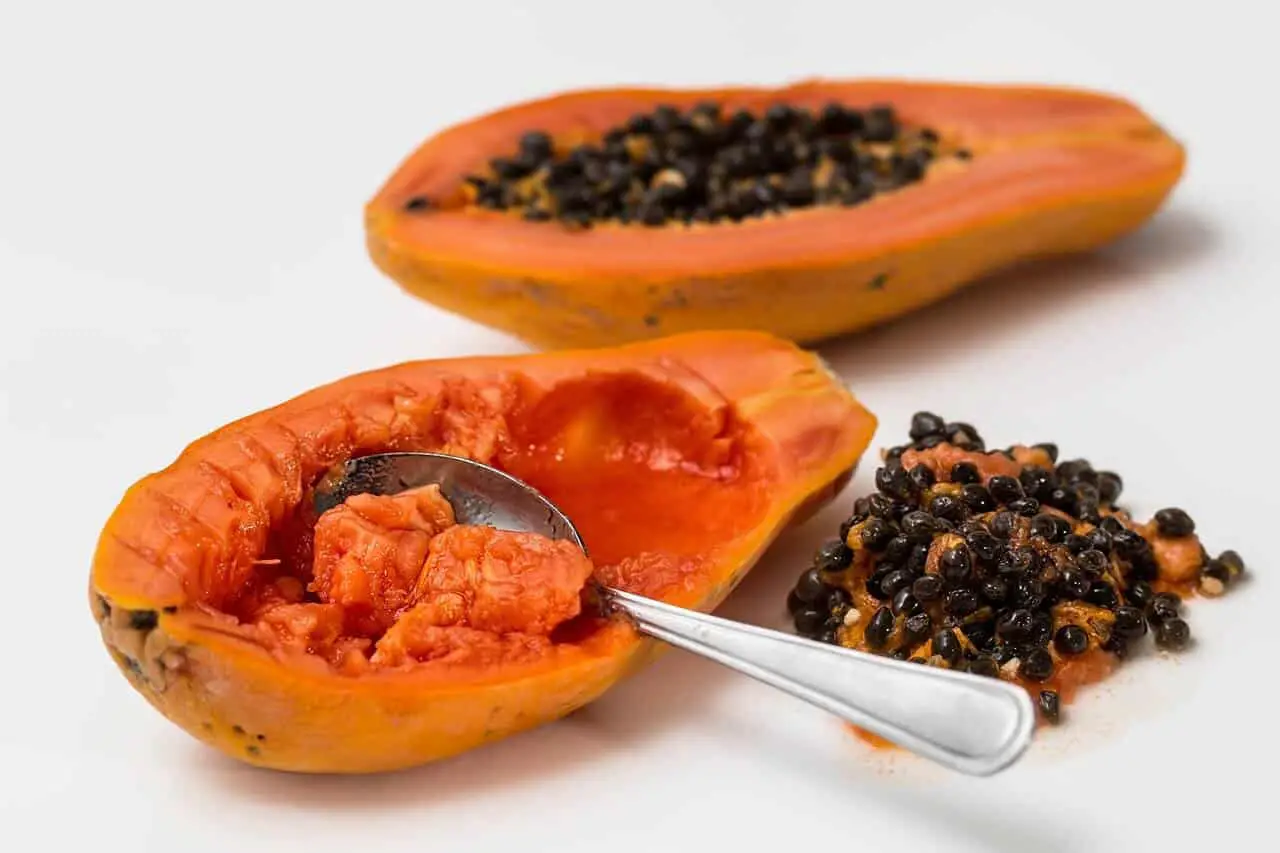
Yes, guinea pigs can eat papaya, and it can be a great addition to their diet when served in moderation. The fruit is rich in fiber and vitamin C which your pet needs. However, it is recommended to only serve a few chunks of papaya to your guinea pig, no more than once or twice a week, as overfeeding can lead to health issues.
Excess papaya consumption could cause several health problems in guinea pigs. So, it is vital to know exactly how much and how often to feed papaya to your pet.
The guidelines below tell you exactly how much papaya is safe and also how to prepare this fruit for feeding it to your cavy.
Can Guinea Pigs Eat Papaya?
Yes, guinea pigs can eat papaya but only in moderation. This fruit is a rich source of essential nutrients such as Vitamin C and fiber, which are vital to a guinea pig’s health.
It also contains many antioxidants which can boost your pet’s immune system and help it fight infections. However, excess consumption could cause certain health issues in cavies, so practicing moderation is important.
Here are some benefits of feeding papaya to guinea pigs.
Benefits of Feeding Papaya to Guinea Pigs
Vitamins and Minerals
Papaya contains a ton of vitamin C which is necessary for guinea pigs to prevent scurvy. It is also rich in Vitamin A which helps prevent free radical damage to protect your guinea pig from diseases and premature aging. Vitamin A also removes toxins contributing to a stronger immune system for the animal.
Guinea pigs can also benefit from the lutein, zeaxanthin, and other nutrients found in papaya. It is also packed with minerals such as potassium, magnesium, folate, and calcium, all of which contribute to the overall health of guinea pigs.
Improved Digestion
The rich fiber content in papaya keeps your guinea pig regular and can prevent constipation.
Feeding papaya in moderation but regularly to guinea pigs could improve their digestive health. The fruit is high in fiber, which helps in digestion and maintains a healthy digestive system. Fiber may also keep your pet full longer and may help in weight management.
Immunity Boost
The vitamins and antioxidants found in papaya can contribute to a strengthened immune system for guinea pigs. Antioxidants help enhance immune strength, while vitamins like vitamins K, C, E, and A prevent atherosclerosis and improve overall immunity. By providing these essential nutrients, guinea pigs can have fewer diseases and a robust immune system.
Possible Risks and Complications of Feeding Papaya to Guinea Pigs
It is important to be aware of the potential risks associated with feeding papaya:
High Sugar Content
One risk related to feeding papayas to guinea pigs is their high sugar content. While papayas are nutritious, their sugar content may cause health issues if consumed in excessive amounts. A guinea pig’s diet should primarily consist of hay, which is low in sugar.
Too much sugar in their diet can lead to diabetes, obesity, and dental problems. To minimize the risk, only offer a small portion of papaya to your guinea pig occasionally as a treat.
Urinary Complications
The calcium in papaya and papaya leaves can cause bladder and kidney stones in guinea pigs if fed in excess. Papaya leaves also contain oxalates which can result in kidney failure, if consumed in excess.
Digestive Problems
While papaya itself is not harmful, excessive consumption may lead to digestive issues due to the fruit’s high sugar and fiber content. Some guinea pigs suffer from loose, watery stools or diarrhea due to excess consumption of fibrous fruits like papaya.
Pesticides
Pesticides present in inorganically grown papayas may also be a concern when feeding this fruit to guinea pigs. Pesticide residues can be harmful to guinea pigs’ health.
To reduce the risk of pesticide exposure, it’s important to choose organic papayas or thoroughly wash the fruit before feeding it to your guinea pig. Additionally, removing the skin will help limit their exposure to any potential pesticides present on the fruit’s surface.
Choking Hazard
Although it is relatively rare, feeding papaya to guinea pigs might pose a choking hazard. The seeds present in the fruit could obstruct a guinea pig’s airway, causing breathing difficulties or choking.
Moreover, the chewy texture of papaya skin might also cause difficulty for some guinea pigs. To mitigate these risks, remove the seeds and skin and chop the fruit into small, bite-sized pieces before offering it to your pet.
Can Guinea Pigs Eat Papaya Leaves?

Yes, according to the RSPCA, guinea pigs may eat papaya leaves, albeit in moderation. They are packed with crucial nutrients like vitamins A, C, and E, as well as fiber, which aids in maintaining a healthy digestive system.
However, while papaya leaves are mostly safe for guinea pigs to consume, it is important to consider the potential risks associated with feeding papaya leaves in excess to guinea pigs.
Excess calcium intake from papaya leaves could cause urinary complications such as bladder and kidney stones. Understanding these potential issues will help guinea pig owners make informed decisions about incorporating papaya into their pet’s meal plans.