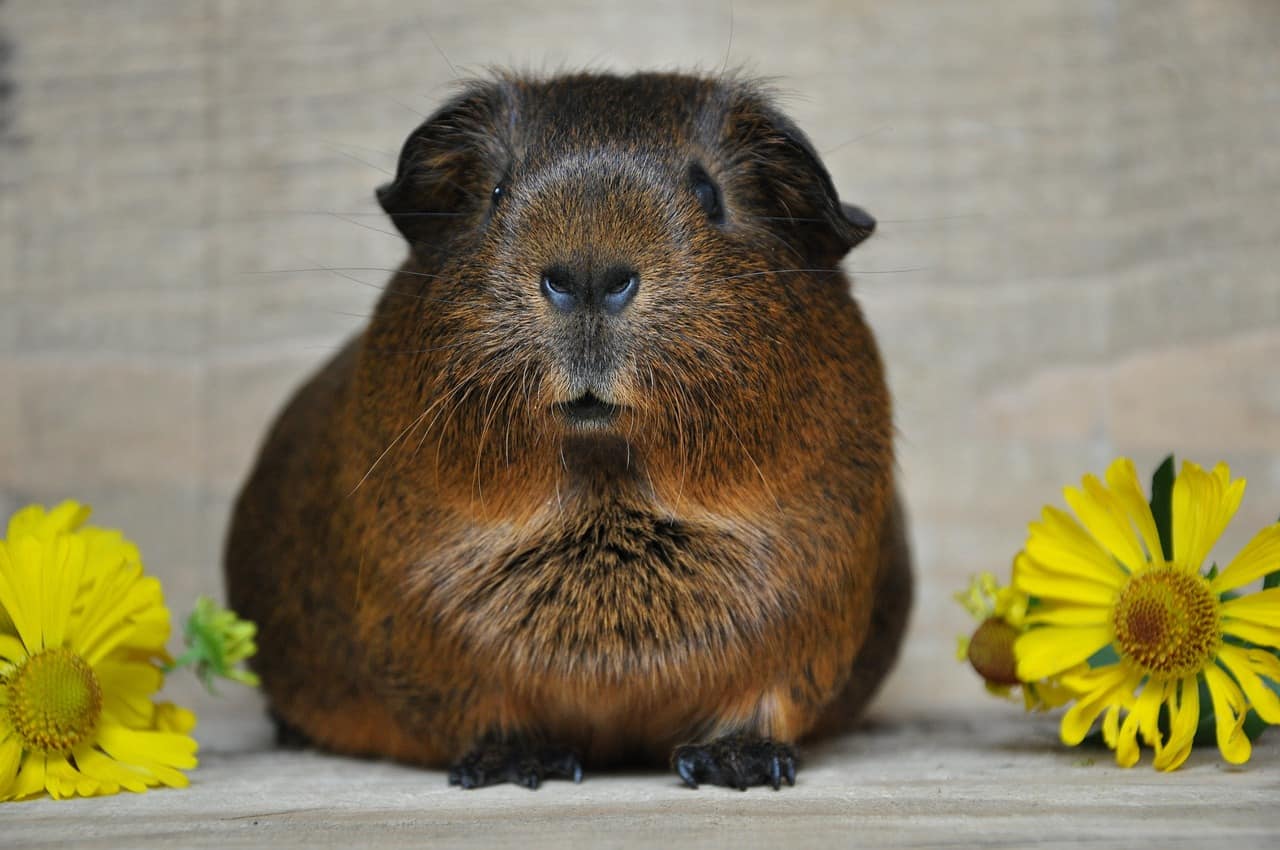
As a guinea pig owner, it’s essential to know which flowers are safe and edible for your furry friend.
There is a wide variety of flowers that not only provide a colorful and enriching environment but also serve as a nutritious and delicious snack for your pet. However, it is essential to know the safe and edible flowers from the unsafe and toxic ones.
In this article, you’ll learn about some of the most popular edible flowers for guinea pigs along with their potential benefits to their overall health.
Can Guinea Pigs Eat Flowers? Which Flowers are Edible for Guinea Pigs?
Yes, guinea pigs can safely eat most flowers—the keyword being most.
Unfortunately, searching for the right flowers can be a daunting task, especially with the numerous options out there. The key to identifying the best choices is to consider the nutritional value, safety, and taste preferences of your guinea pig.
Familiarizing yourself with these aspects will make it easier to select the perfect floral treats for your pet while ensuring their well-being.
Here are the three types of edible flowers for guinea pigs.
Nasturtiums

Nasturtium flowers are not only beautiful but also safe for your guinea pig to enjoy. These vibrant flowers can add color and variety to your pet’s diet.
Nasturtium flowers are known for their peppery flavor, which can be a delightful treat for your guinea pig. To serve nasturtiums to your guinea pig, simply wash the flowers and remove the leaves before offering them as a special treat.
Pansies

Pansies are another type of edible flower you can safely offer to your guinea pig. These delicate flowers come in a variety of colors and can be a fun snack for your pet.
Pansies have a mild flavor, which may be more appealing to some guinea pigs compared to the stronger taste of nasturtiums. To prepare pansies for your guinea pig, gently wash the flowers and remove any leaves before serving.
Roses

Roses are not just for gifting; they can also be a delicious and nutritious treat for your guinea pigs. The petals of roses are safe for your guinea pig to eat, and they may enjoy the sweet flavor and soft texture.
Make sure to only use unsprayed roses, as some pesticides or chemicals can be harmful to your pet. To serve rose petals, gently wash them and remove any thorns or leaves before providing them to your guinea pig.
Precautions and Tips for Feeding Flowers to Guinea Pigs
Avoiding Harmful Flowers
When offering edible flowers to your guinea pig, it’s essential to avoid harmful flowers that could pose a health risk.
As a caring owner, always research and educate yourself about the flowers and plants you select. Some flowers, such as Alstroemeria, may cause skin irritation in guinea pigs.
Steering clear from harmful flowers ensures that you are providing your furry friend with safe and beneficial treats.
Properly Wash the Flowers
Before giving any edible flowers to your guinea pig, it’s crucial to wash them properly to remove any dirt, pesticides, or chemicals that could be harmful to your pet. \
Thoroughly rinse the flowers under cool, clean water and gently shake off the excess. You may also use a soft, clean cloth or a paper towel to pat dry the flowers. By following these precautionary steps, you ensure that your guinea pig enjoys their floral treat without any risk to their health.
Also Read: Can Guinea Pigs Read Lavender?
Understanding Guinea Pigs’ Dietary Needs
Flowers and herbs like oregano can be used as an occasional treat for guinea pigs but they are not complete balanced meal for cavies.
Here are the elements of a balanced guinea pig diet:
Vitamin C
Unlike most mammals, guinea pigs can’t synthesize vitamin C on their own, making it an essential part of their diet. Fresh fruits and vegetables can provide them with this vital nutrient. Some flowers can also provide this crucial nutrient to your cavy.
Fiber
Guinea pigs have a unique digestive system that requires a high-fiber diet. This can be achieved by providing them