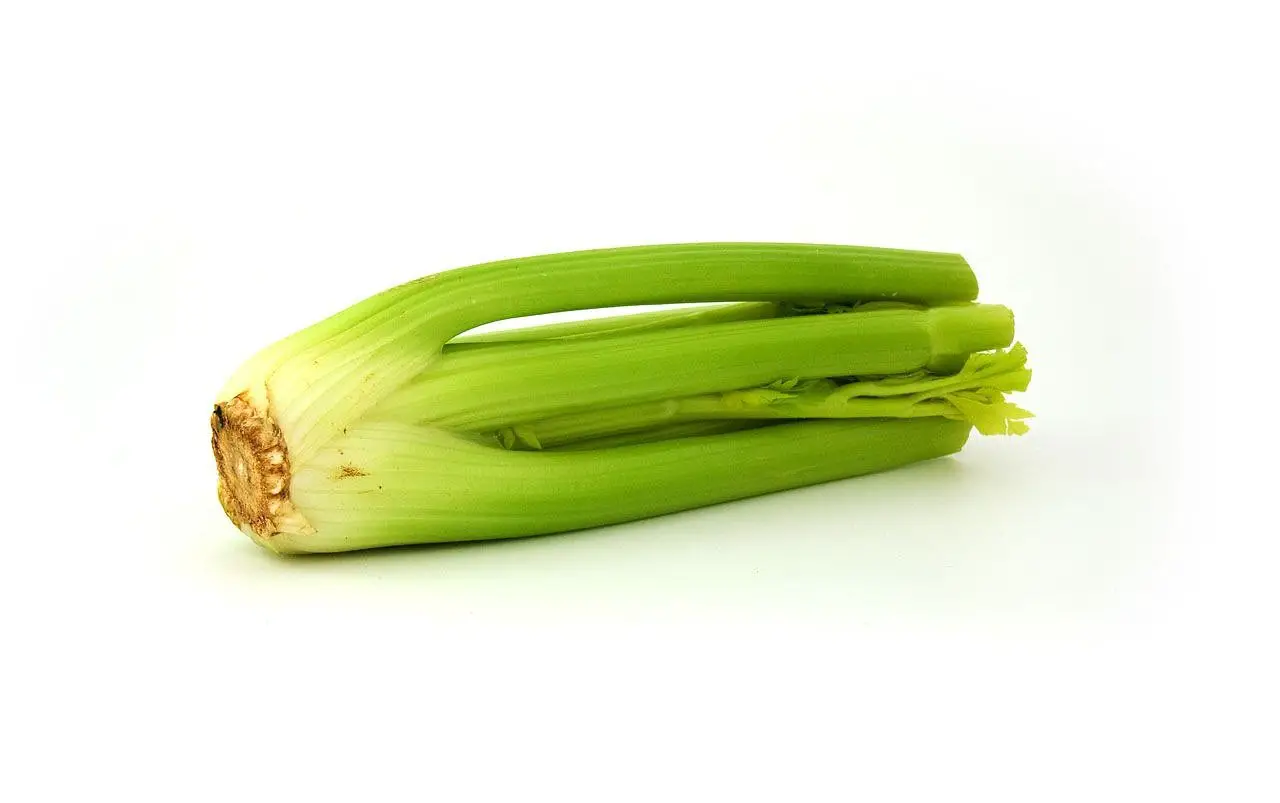
If you’re reading this, you’re probably wondering if guinea pigs can eat celery and if it’s a good choice for their diet.
The short answer is yes: guinea pigs can eat celery and it is a safe and healthy vegetable that can provide plenty of vitamin C to your pet.
However, as with any food, moderation is a must. Inorganically grown celery can have tons of pesticides on it and it can also be a choking hazard for some younger cavies. In excess, celery could also lead to digestive upsets in guinea pigs.
In this guide, we tell you how to feed celery safely to your guinea pig.
Can Guinea Pigs Eat Celery
Yes, guinea pigs can eat celery. Incorporating moderate amounts of celery into their diet can provide them with several health benefits.
Not only will our little pets enjoy celery’s crunchy texture, but they can also reap the benefits of the various nutrients found in celery, such as vitamin C – a crucial component of the guinea pig’s diet.
Let us study the benefits of celery in guinea pigs’ diet.
Benefits of Celery in a Guinea Pig’s Diet

Vitamins
Celery, which is rich in vitamin C, promotes a healthy immune system for your guinea pigs. Here are some additional benefits of including celery in their diet:
Besides vitamin C, celery also contains vitamins A and K, as well as potassium, which can all contribute to your pet’s overall health.
Hydration
Celery has a high water content (almost 95%), which can help keep your guinea pigs hydrated.
Low-Calorie Snack
Celery is low in calories, making it a healthy and guilt-free snack option for your guinea pigs.
Potential Risks of Celery
While celery has many health benefits, there are some potential risks associated with feeding it to your guinea pigs.
By being aware of these potential risks and taking necessary precautions, you can safely incorporate celery into your guinea pig’s diet, providing them with various health benefits while being mindful of any potential risks.
Choking hazard
Celery’s fibrous texture can pose a choking risk, especially if it’s not chopped into small, manageable pieces for your guinea pig.
Pesticide residue
Celery can sometimes have pesticide residue on its surface. Make sure to wash the celery thoroughly before feeding it to your pets.
Overfeeding
Like with any fresh produce, moderation is key. Too much celery can lead to digestive issues and an unbalanced diet for your guinea pig.
Also Read: Can Guinea Pigs Eat Tomatoes?
How to Serve Celery to Guinea Pigs?

Celery can be a healthy and tasty treat for your guinea pig, but it’s essential to prepare it correctly and serve it in moderation.
Washing and Preparing Celery
Before giving celery to your guinea pig, make sure to thoroughly wash it under running water to remove any dirt, chemicals, or pesticides. It’s best to buy organic celery if possible, to minimize the risk of harmful substances.
After washing, chop the celery into small, bite-sized pieces, making it easier for your guinea pig to chew and digest. Be sure to include both the crunchy stalks and the leaves, as both parts are safe and beneficial for guinea pigs.
Quantity and Frequency
When it comes to serving celery to your guinea pig, moderation is key. Too much celery may cause digestive issues due to its high water content. Stick to a small portion of celery (1-2 small pieces) as an occasional treat, in addition to their regular diet of hay, guinea pig pellets, and other fresh fruits and vegetables.
Aim to serve celery to your guinea pig no more than twice a week, alternating with other leafy greens and vegetables, such as bell peppers, lettuce, and carrots. This will help provide your guinea pig with a balanced and varied diet, keeping them healthy and satisfied.
Also Read: Can Guinea Pigs Eat Fennel
Alternatives to Celery
While celery can be a healthy treat for guinea pigs, it’s essential to provide a diverse diet to ensure they receive all necessary nutrients. There are several alternative options, including other vegetables and fruits, that will provide a balanced and enjoya